A Brief History
The Beginning
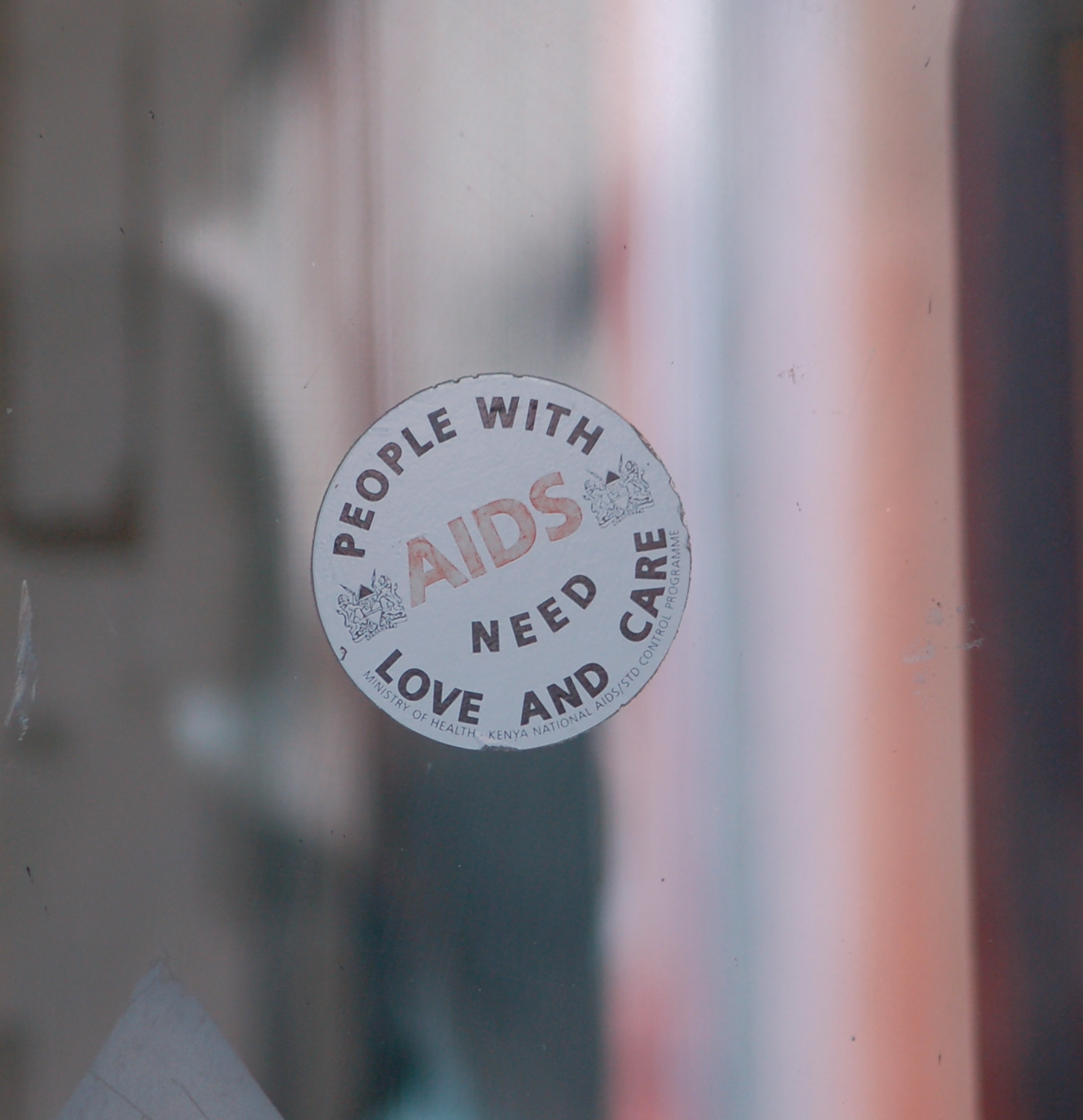
Kisumu, Kenya, on the shores of Lake Victoria, is the third-largest city in Kenya. In the mid-late 1990’s it was one of the most HIV/AIDS affected areas of the world. According to surveys from 1996, the prevalence of HIV infection in the age group of 15–49 years was around 20% for men and 30% for women. Two of every five pregnant women coming to antenatal clinics were HIV-infected, and, as there was no treatment available at that time, an HIV diagnosis was a virtual death sentence. Tragically, funeral services and coffin-making were among the largest industries in Kisumu in the 1990’s.
Robert Bailey and a few colleagues realized that the Kisumu area had 3-4 times higher rates of HIV than the rest of Kenya. What was so different about the people along Lake Victoria that might cause them to have higher risk of HIV acquisition? One glaring factor was that the people residing in the area are predominantly of the Luo ethnic group, and the Luo are the only major tribe in Kenya that does not traditionally practice male circumcision. In a survey we conducted in 1998, only 11% of Luo adult men were circumcised, compared to 90% of men in the rest of Kenya. The same pattern held across sub-Saharan Africa: the countries with the highest rates of male circumcision had the lowest prevalence of HIV.
Bailey, along with co-authors, published papers and gave presentations at international meetings pointing out this relationship between lack of male circumcision and high rates of HIV infection. For years, most of the global health community ignored us, and more than a few people laughed at the idea that a surgical procedure could prevent an infectious disease.
In 2001, Bailey and his main collaborators, Dr. Stephen Moses of the University of Manitoba and Dr. Jekoniah Ndinya-Achola of the University of Nairobi, set out to test the hypothesis that circumcision could prevent new HIV infections in young, sexually active men. With funding from the National Institutes of Health (NIH) and the Canadian Institute for Health Research (CIHR), we undertook a rigorous randomized controlled trial that recruited 2784 young men ages 18-24 years. These men agreed to be randomly assigned to be circumcised right away or have the option to be circumcised two years later. Each participant was followed for two years, receiving HIV testing, condoms, and behavioral risk reduction counseling every three months. In the final analyses of the data, the circumcised men were 59% less likely to acquire HIV than the uncircumcised men. The evidence was so clear, so compelling, that the trial was stopped early — it would have been unethical to continue withholding from the control group an intervention proven to protect them.
The results of the clinical trial were declared by Time Magazine as the number one breakthrough in medical science in 2007. Since then, male circumcision has been fully embraced and promoted by WHO, UNAIDS and other international normative agencies as an essential component of a comprehensive package for HIV prevention.
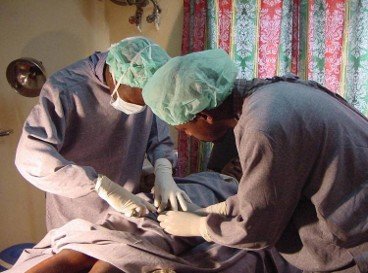
Two additional trials, launched independently and conducted elsewhere, found almost identical results. Across all three trials, the protective effect of circumcision against HIV acquisition was 60%. In addition to HIV infection, our team elucidated the effect of circumcision on chlamydia, gonorrhea, syphilis, trichomonas, genital herpes, human papilloma virus and genital ulcer disease, while also addressing the issues of safety, mechanisms of wound healing and reduction of sexual risk behaviors. The numerous papers that have emerged from our trial and our adjacent studies in Kenya have provided the evidence to drive new interventions addressing prevention of HIV and sexually transmitted diseases in Africa and elsewhere.
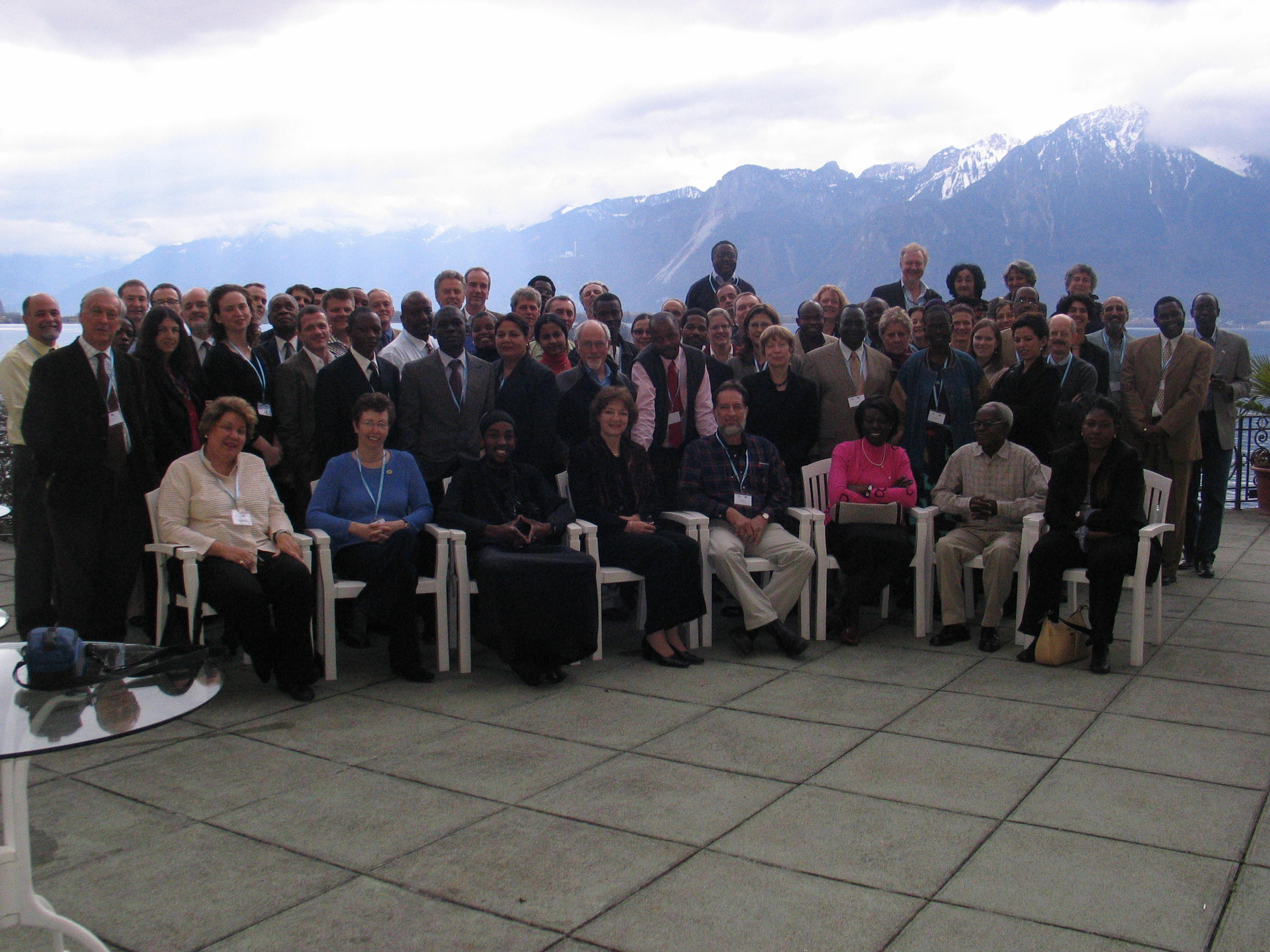
March 2007: Global Health experts meet at WHO Conference to declare Male Circumcision as an effective intervention that should be scaled up for HIV prevention.
With support from the U.S. Government under the President's Emergency Plan for AIDS Relief (PEPFAR), over 35 million circumcisions have now been provided in 13 target countries where HIV rates are high. Models indicate that circumcision has already prevented approximately two million new infections and will prevent several times more over the ensuing 20 years. And every infection prevented in a man has ripple effects throughout the population to his female partners and to the infants that might have been born with HIV.
Anza Mapema supports approximately 1500 GBMSM directly and a larger population indirectly through its outreach and advocacy activities. It provides quarterly HIV testing, antiretroviral therapy for those living with HIV, behavioral counseling, and STI management. But more than the clinical services, it is the peer-led social activities, the life skills training, the advocacy work, and the simple act of creating a welcoming space that have had a profound effect. Same-sex relationships are becoming more accepted in this part of Kenya — and Anza Mapema has played a meaningful role in that change, giving young people a reason for hope and the agency to advocate for themselves, while also educating the government officials and the general public.
Formation of AheadKenya
AheadKenya was founded by three public health academics who have been conducting research and supporting health-related programs in Kenya since as far back as 1997. Over the years, we have personally assisted Kenyan partner organizations and individuals with funding and expertise, aiming to improve access to health services, educational opportunities, and income-generating activities for people with little means of survival, not to mention advancement.
Building a Center of Excellence: NRHS
In order to conduct the circumcision trial and subsequent studies and programs, an entity was founded that allowed the hiring of staff and adherence to Kenyan and international legal and regulatory frameworks. The Nyanza Reproductive Health Society (NRHS) was founded in 2001 for this purpose, and a state-of-the-art research clinic was constructed to accommodate the clinical and laboratory spaces necessary to conduct groundbreaking research. Because of the number and quality of studies conducted at NRHS over the last 25 years, the clinic has become a site that is visited and scrutinized by ministries of health, normative agencies (WHO) and donors (CDC, USAID, Merck, CARE, Welcome Trust, European Union, among others) and experts from around the globe as a research and training center of excellence. We have applied the results of our numerous studies conducted at NRHS to assist the Kenyan government and agencies worldwide to develop best practice guidelines and country-wide policies that translate to preventing illness and reducing misery for huge numbers of vulnerable people worldwide.
A Safe Space for Those Left Behind: Anza Mapema
Even as NRHS built its reputation for groundbreaking research, we became increasingly aware of a population whose health needs were going almost entirely unmet. Men who have sex with men (MSM) and other members of the Lesbian, Gay, Bisexual and Transgender (LGBT) community in Kenya are highly discriminated against, experience a large amount of stigma, and have to remain underground for fear of violence, persecution, and recrimination. Homosexuality is illegal in Kenya, punishable by up to 14 years in prison. According to surveys, 89% of gay men who came out to their families were disowned. Young gay men are expelled by their churches, denied access to employment, fired from their jobs, and subjected to violence by peers and police alike. In this climate, maintaining physical health — let alone mental and emotional well-being — is a daily struggle.
Join Us
The work described on this page did not happen because of favorable conditions or abundant resources. It happened because a small group of people refused to accept the status quo. We knew things could be different if we thought out of the box and worked doggedly to see our innovations tested, accepted, and implemented.
That is what AheadKenya is designed to support. We invite you to be part of it.
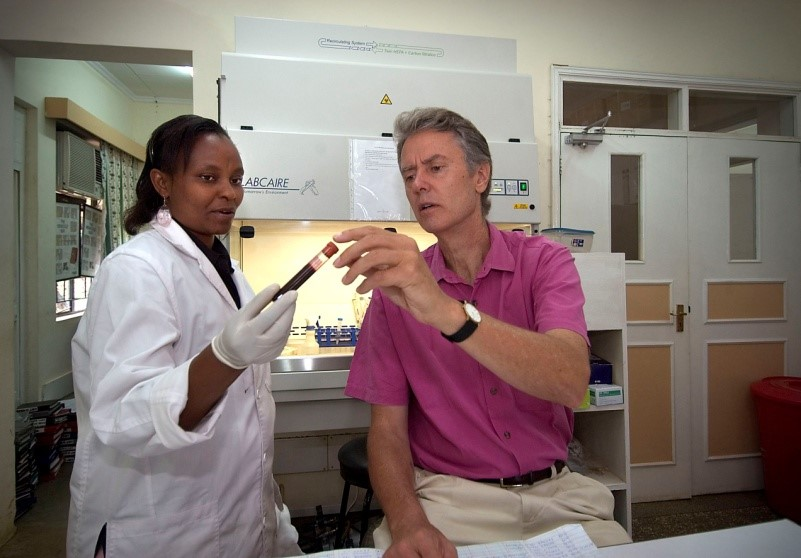
Robert Baily and Ruth Mwangi in the NRHS laboratory.
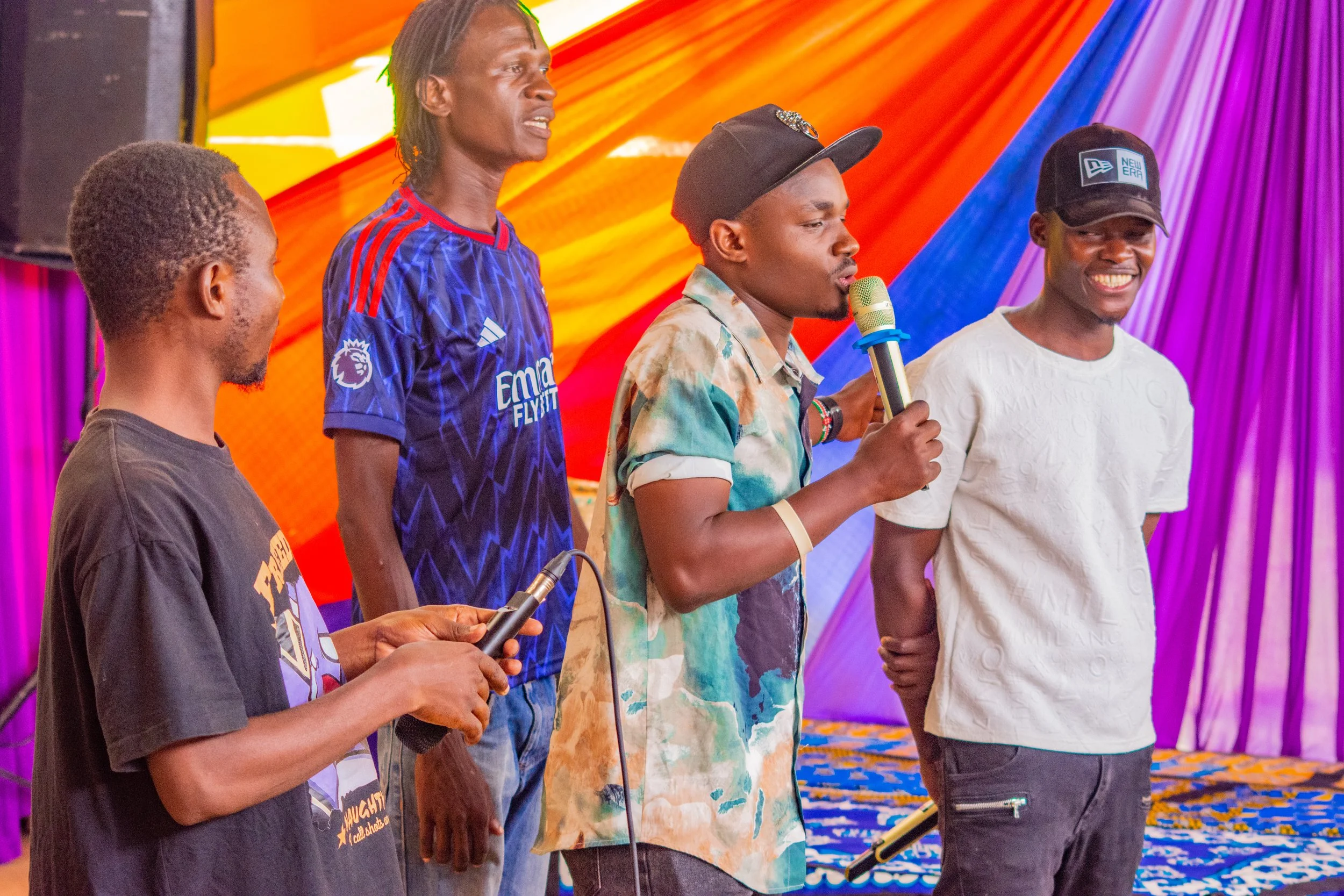
The consequences for health are severe. Gay and bisexual men who have sex with men (GBMSM) in Kenya have HIV prevalence three to five times higher than their heterosexual peers of the same age, and face dramatically elevated rates of other sexually transmitted infections.
Anza Mapema
In the mid-2000s, the raging epidemic among GBSM was largely ignored. Most public health experts claimed that virtually all HIV infections in sub-Saharan Africa were transmitted through heterosexual contact. Recognizing the unmet needs of this key minority population, we founded a GBMSM support organization – the first in Kenya – originally called Kisumu Initiative for Positive Empowerment (KIPE) and now called Anza Mapema (AM), which means “start early.”
Anza Mapema has its own compound and its own clinic and activity center. It is unique in Kenya. It is a safe space for GBMSM, where they can feel welcome. Here, gay and bisexual men can access clinical services without fear of judgment, form community, join support groups, and experience something that is too often denied to them elsewhere: dignity and belonging. AM is working to reduce the high incidence of HIV and other STIs in this vulnerable population, and is promoting the psychosocial and sexual health of GBMSM through research, education, prevention, clinical care, and advocacy.
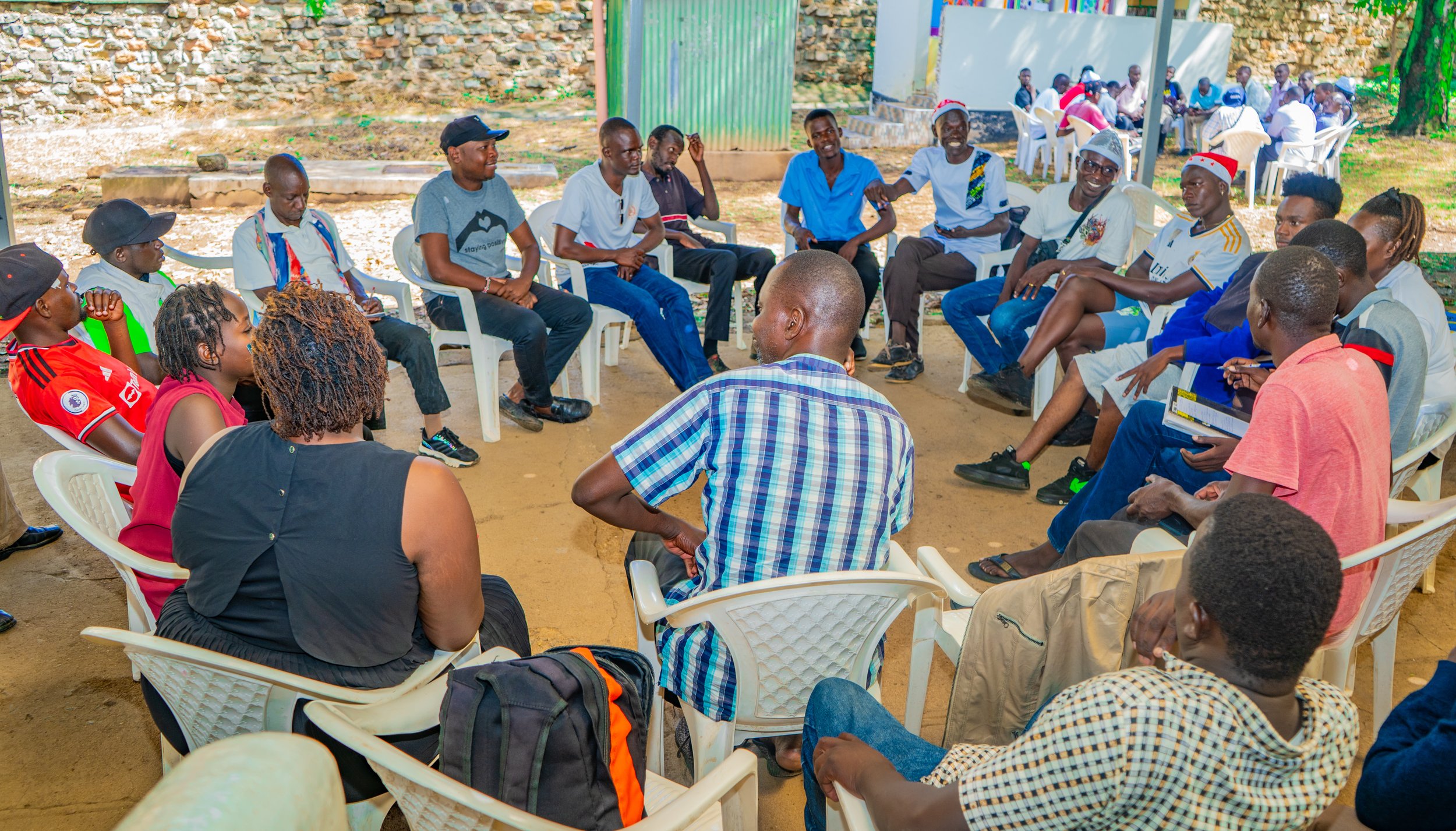
Support groups meets at Anza Mapema to discuss strategies for reducing risky behavior
The challenge facing NRHS and Anza Mapema specifically is that the inadequate funds that come through PEPFAR and international donors cover only the bare essential activities for providing clinical services to the GBMSM community. This includes quarterly HIV testing, anti-retroviral therapy (ART) for people living with HIV, some behavioral change communication, and STI syndromic management. These funds do not cover infrastructure costs (e.g., rent, utilities, security, internet) nor the activities that truly make a difference in the lives of the GBMSM community members. These include peer-led social activities, support activities and advocacy, all of which contribute to a sense of empowerment, pride and hope in persons who face such daily challenges to their psychological and physical health.
For years, these essential activities were supported by a private donor whose generosity made all of it possible. That support is no longer available. We now need partners willing to step in and ensure that what has been built — painstakingly, over many years, against considerable odds — is not lost.
In 2025, we decided to register a 501(c)3, which we have named AheadKenya, in order to respond to the tremendous needs that we are made aware of every day as our partners and we work in Kenya. These needs have been compounded by the enormous cutbacks by the U.S. government, with reduced investment in public health and greater political oversight of research and grantmaking. We recruited others with experience in creating and growing other charitable organizations, and in 2026, we are getting AheadKenya off the ground.
Forming AheadKenya will allow us to continue to support individual Kenyans in need – for example, assisting with school fees, helping with small businesses, giving timely support in case of hospital emergencies – a significant impetus is to ensure that the legacy built over the last 25 years that is NRHS is sustained for the next 25.
Two Urgent Needs - and How You Can Help
1. A New Home for NRHS: The Capital Campaign
NRHS faces an immediate and existential challenge. The local government has instructed the organization to vacate its current location. After 25 years of building a clinic that health ministries and international organizations travel from around the world to visit and learn from, NRHS must now purchase land and construct a new facility — or cease to exist.
We are launching a capital campaign to raise $750,000 over the next 18 to 24 months.
This is not a campaign to expand or to build something new for its own sake. It is a campaign to preserve something irreplaceable. To continue its legacy of groundbreaking research and sound evidence-based public health interventions that save lives and reduce misery, NRHS must have a home. Please visit the Capital Campaign tab on this website to learn more about how you can be part of securing it.
2. Sustaining Anza Mapema
The programming that defines Anza Mapema — the peer support, the advocacy, the community-building, the safe space itself — cannot be funded through conventional donor channels, especially in the current environment. This is precisely the kind of work that falls through the cracks of institutional grant-making, even though it is often the work that matters most. AheadKenya exists, in part, to fill that gap.